What Makes William Kentridge’s Work So Powerful?
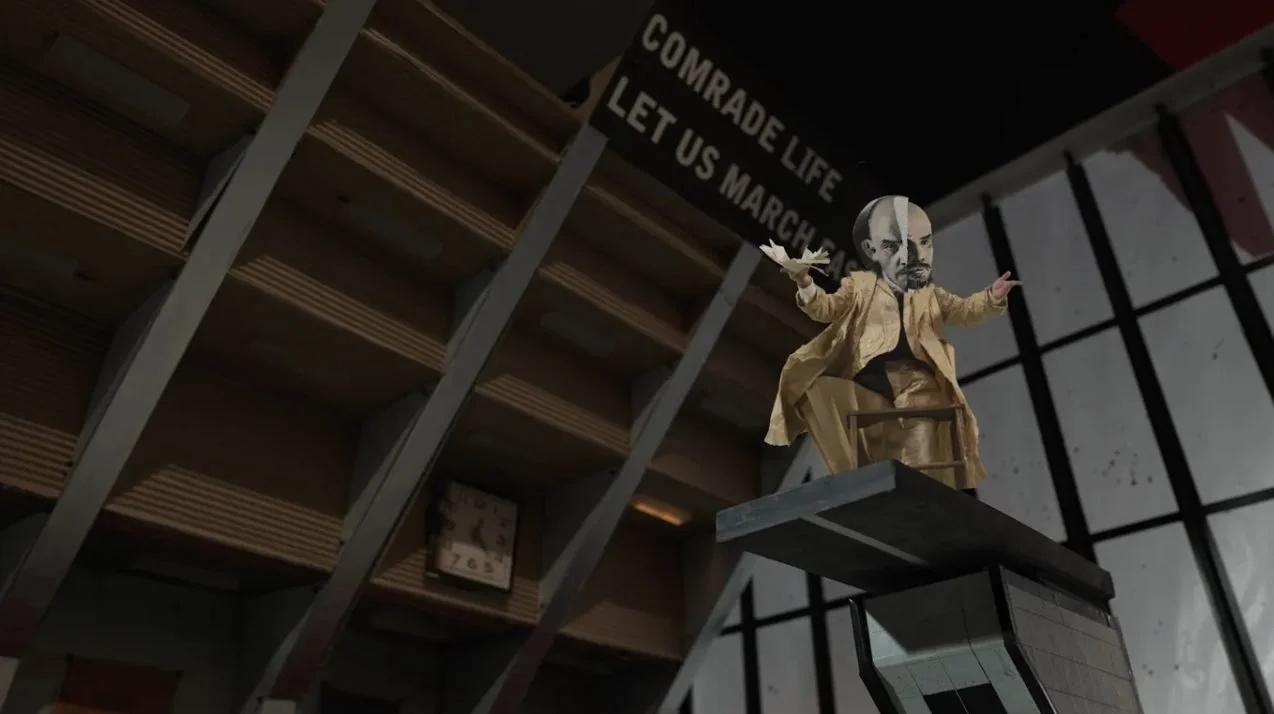
William Kentridge’s work is powerful because he makes history behave like a charcoal drawing: constructed, erased, redrawn, partially recovered, and permanently marked by what has been removed.
A figure crosses a devastated Johannesburg landscape.
A mine owner sits at a desk while industrial machinery consumes the world around him.
A procession of workers, refugees, musicians, dancers, patients, and skeletons moves across multiple screens.
A coffee pot becomes a self-portrait.
A torn sheet of paper becomes a moving body.
An opera becomes a collision among music, projection, puppetry, shadow, political history, and live performance.
Kentridge’s work repeatedly begins with simple materials:
charcoal;
paper;
ink;
scissors;
books;
shadows;
the human body;
the artist’s studio.
Yet these modest materials expand into complex meditations on apartheid, colonialism, memory, guilt, political violence, uncertainty, artistic responsibility, and the instability of knowledge.
His central inquiry might be stated this way:
How can art represent histories of violence and injustice without pretending that history is complete, objective, or fully recoverable?
Kentridge does not offer polished historical certainty.
He gives us traces.
Marks remain where earlier images have been erased. Contradictions are not reconciled. Political histories enter private lives. Humor interrupts grief. Beauty emerges through damage. The artist appears inside the work as both investigator and implicated participant.
His achievement is not simply that he tells difficult stories.
He has developed a visual and theatrical language in which the process of making becomes a model for how history itself is remembered, distorted, revised, and contested.
What the Viewer Encounters
Kentridge works across drawing, animated film, printmaking, sculpture, tapestry, collage, performance, theater, opera, sound, installation, writing, and collaborative production. His practice remains grounded in drawing while repeatedly expanding into temporal and theatrical forms. His studio describes the work as combining drawing, writing, film, performance, music, theater, and collaboration while preserving space for contradiction and uncertainty. (Kentridge Studio)
The viewer may encounter:
charcoal drawings covered with visible erasures;
animated films made from repeatedly altered sheets of paper;
mechanical sculptures that turn fragments into changing silhouettes;
monumental tapestries built from maps and processional figures;
operas layered with projected drawings and historical documents;
split-screen films in which the artist plays several versions of himself;
processions moving across long sequences of screens;
fragments of language that behave as images;
ordinary studio objects becoming characters, props, machines, or metaphors.
The work can feel visually abundant, but its abundance rarely becomes seamless.
Paper edges remain visible.
Erasure marks remain.
Projectors and speakers may remain present in the gallery.
The mechanics of illusion are often exposed.
Kentridge does not ask the viewer to forget that the work has been constructed.
He asks us to remain aware of construction while still becoming emotionally involved.
The Inquiry Beneath the Work
Kentridge was born in Johannesburg in 1955 and developed his practice within the political and social realities of apartheid-era South Africa. His work has remained deeply connected to Johannesburg, apartheid, colonialism, industrial extraction, political violence, and the unstable inheritance of history. (Kentridge Studio)
But his work is not documentary history in a conventional sense.
He does not attempt to reconstruct the past with complete factual authority.
Instead, he investigates the difficulty of knowing history from inside it.
People inherit:
partial records;
official narratives;
family memories;
photographs;
propaganda;
testimony;
absences;
guilt;
denial;
damaged landscapes.
Some events are documented extensively.
Others survive through fragments.
Some histories are suppressed deliberately.
Others are distorted through repetition.
Kentridge’s work asks:
What kind of truth can art produce when memory is incomplete, the archive is political, and the artist is never fully outside the history being examined?
His answer is not to abandon historical responsibility.
It is to make uncertainty visible.
Charcoal as a Historical Medium
Charcoal is central to Kentridge’s work because it can produce deep blacks quickly, cover large areas, remain physically unstable, and be erased without disappearing completely.
It carries several useful properties:
immediacy;
fragility;
dust;
darkness;
reversibility;
visible correction;
bodily touch.
A clean digital image can replace one state with another without leaving evidence of the transition.
Charcoal remembers alteration.
When Kentridge erases a figure, faint residue remains.
When he moves an object across the page, previous positions become ghostly traces.
The drawing accumulates time.
This is not simply a visual style.
It becomes a philosophy of history.
What has been erased continues affecting what can be seen.
Political systems may attempt to remove people, events, names, or evidence from public memory.
But removal does not guarantee absence.
The trace remains capable of returning.
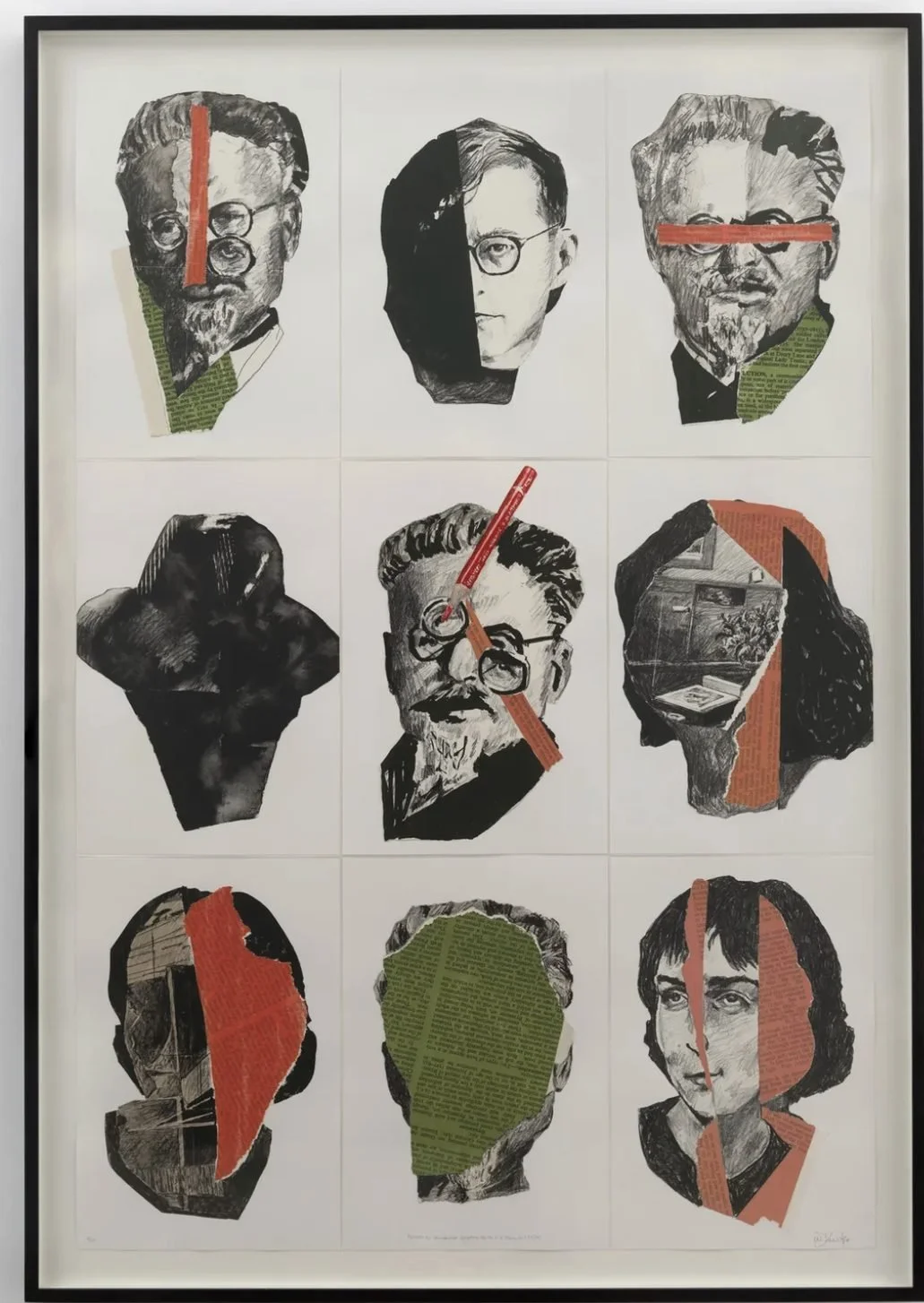
Drawing for Projection
Kentridge’s best-known animated films are created through a process often called drawing for projection.
Rather than producing thousands of separate animation drawings, he begins with one large charcoal drawing. He photographs it, alters it through erasure and addition, photographs it again, and repeats the process. The sequence of photographs becomes an animation. Kentridge has described this repeated transformation of a single drawing as central to his animation process. (SFMOMA)
The method is materially economical.
One sheet of paper may contain many moments.
But the method produces unusual temporal depth.
A conventional animation can replace one clean frame with the next.
Kentridge’s page retains the injuries of movement.
A chair leaves a shadow where it stood.
A body crossing a room produces residue.
A landscape appears scratched by time.
The film does not merely show change.
The physical support has undergone change.
Time Made Visible
Animation usually creates the illusion that static images have begun moving.
Kentridge’s films do something more.
They make the act of revision visible.
Each frame says:
This is what the image is now.
The residue says:
This is what the image was.
The viewer sees presence and memory simultaneously.
This allows one body to contain:
previous gestures;
erased identities;
abandoned intentions;
alternative possibilities.
The image becomes crowded with time.
That quality connects directly with your inquiry into multiple selves.
A person is not only the version visible in the present moment.
Earlier roles, failures, desires, and performances may remain as traces inside the current identity.
Kentridge’s animation gives formal shape to that condition.
Erasure Is Never Neutral
Erasure may appear to be the opposite of drawing.
Drawing adds.
Erasure removes.
Kentridge makes both part of one process.
But the two actions are not equal.
An erased mark cannot return to untouched paper. The surface has been rubbed, stained, and changed.
This creates a deeper proposition:
Revision does not restore innocence.
Political societies may attempt to reform themselves.
Individuals may change roles.
Institutions may revise their language.
But the earlier condition does not simply vanish.
The transformed present carries the material consequences of the past.
Kentridge’s page becomes a field where destruction and construction occur through the same hand.
Johannesburg as Landscape and Psychological Structure
The landscape in Kentridge’s films is often recognizably connected to Johannesburg and its industrial surroundings:
mine dumps;
barren ground;
machinery;
offices;
suburbs;
construction;
excavation;
polluted terrain.
The city does not function merely as setting.
It is shaped by systems of racial segregation, extraction, labor, capital, and unequal access to land and resources.
The landscape appears physically wounded because history has entered the ground.
Mining becomes both economic structure and metaphor.
The earth is excavated.
Value is removed.
Waste accumulates.
Bodies and communities bear the consequences.
Kentridge shows that political history is never purely abstract.
It becomes:
architecture;
property;
infrastructure;
distance;
environmental damage;
bodily vulnerability.
Soho Eckstein and Felix Teitlebaum
Kentridge’s long-running series of animated films often centers on two recurring figures: Soho Eckstein and Felix Teitlebaum.
Soho is frequently represented as an industrialist, mine owner, businessman, and figure of power. He wears a striped suit and appears connected to property, extraction, bureaucracy, and control.
Felix is more exposed, reflective, erotic, vulnerable, and emotionally permeable.
The two figures may appear to be opposites.
But they are not completely separate.
Both have been connected to aspects of Kentridge himself.
This makes them less like stable characters than divided possibilities within one moral and psychological field.
Soho may embody:
authority;
complicity;
control;
productivity;
emotional repression.
Felix may embody:
desire;
observation;
guilt;
tenderness;
evasion;
imagined innocence.
Neither becomes a complete moral answer.
The Divided Self
The recurring characters reveal one of Kentridge’s most important capacities:
He can make political history enter the structure of individual identity.
The self is not positioned outside apartheid and colonial history as an innocent observer.
It is divided by:
benefit and guilt;
knowledge and denial;
action and passivity;
intimacy and public responsibility;
desire for innocence and recognition of complicity.
This is a much more difficult model than hero versus villain.
A person may oppose injustice while still benefiting from systems built through it.
A person may recognize wrongdoing but remain unable or unwilling to relinquish power.
A person may experience genuine grief while also participating in the conditions producing suffering.
Kentridge preserves these contradictions without treating them as excuses.
Complicity Without Paralysis
Artists addressing political violence face a difficult problem.
If they position themselves as morally pure, the work can become self-congratulatory.
If they emphasize their complicity endlessly, political inquiry can collapse into personal guilt.
Kentridge attempts to occupy the unstable space between those failures.
He does not claim innocence.
He also does not treat uncertainty as a reason to remain silent.
The work proceeds through incomplete knowledge.
This gives his practice an ethic:
Act, make, question, revise—but do not pretend to stand outside the history being examined.
That principle is also visible formally.
The artist’s hand creates the image.
The same hand damages, erases, and changes it.
Authorship becomes inseparable from responsibility.
Political Art Without Illustration
Kentridge’s work is political, but it rarely functions as a poster with one clear message.
He does not simply present:
oppressor;
victim;
event;
correct interpretation.
Instead, political meaning develops through:
metaphor;
repetition;
visual transformation;
absurdity;
theatrical distance;
personal contradiction;
historical reference;
gaps in narrative.
This does not make the politics vague.
It recognizes that political reality is lived through fragmented experience.
A newspaper headline, domestic room, mine dump, bureaucratic stamp, wounded body, and musical procession may belong to the same historical system even when no single image explains the whole.
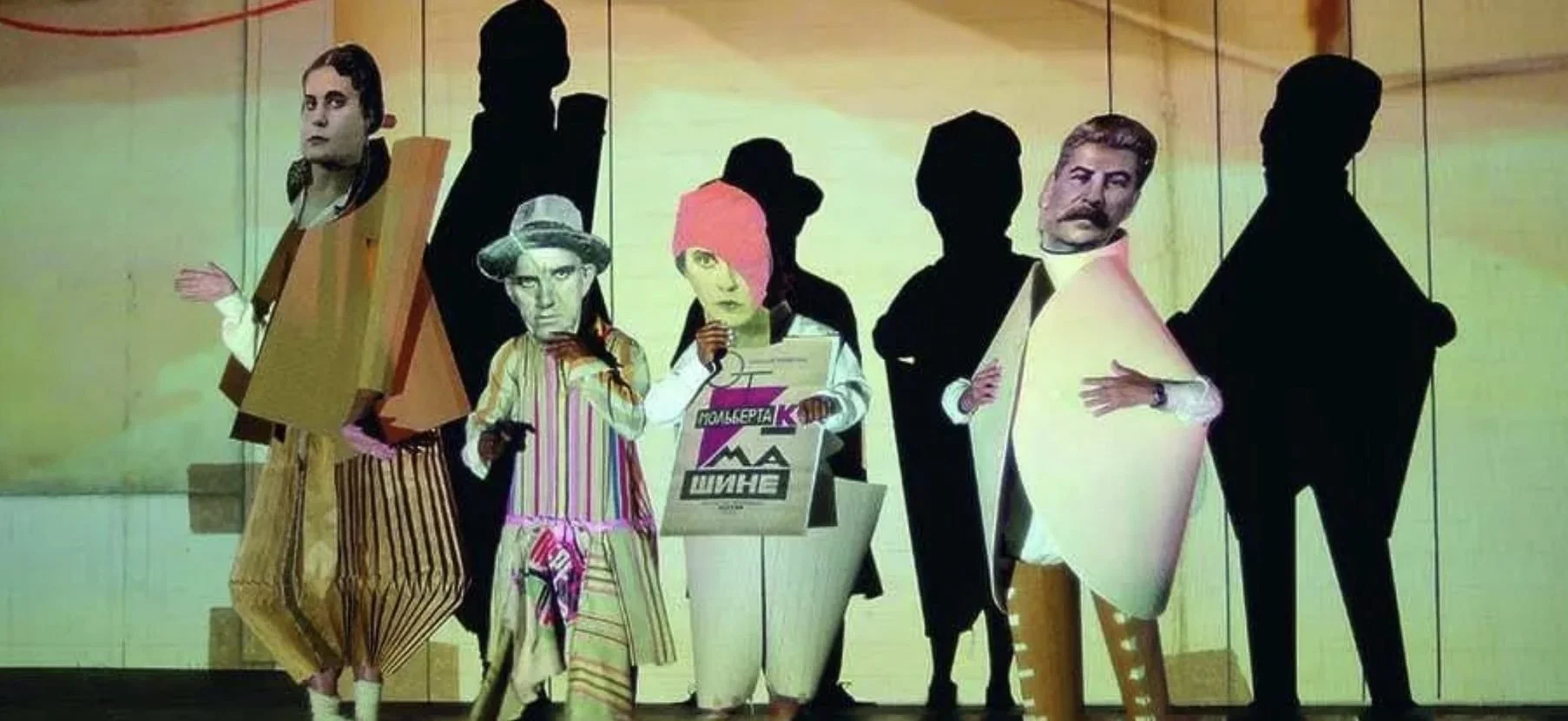
The Absurd as a Tool of Truth
Kentridge’s work often includes humor, absurdity, visual jokes, impossible transformations, and theatrical play.
A nose becomes an independent character.
A coffee pot becomes a self-portrait.
Paper figures dance.
A shadow detaches itself from the body.
Political leaders become grotesque silhouettes.
The absurd does not weaken the seriousness of the work.
It allows him to approach realities that rational explanation alone may fail to contain.
Apartheid itself depended upon an absurd but violently enforced system of classification.
Colonial bureaucracy frequently translated irrational assumptions into legal and administrative structures.
The absurd can reveal the madness inside apparently rational power.
Theater and the Unstable Image
Kentridge trained in theater and has worked extensively in performance and opera. That theatrical experience influences how his visual works behave.
An image is rarely final.
It may become:
backdrop;
actor;
shadow;
prop;
projection;
score;
moving architecture.
Theater brings several conditions into the practice:
rehearsal;
duration;
collaboration;
embodiment;
chance;
multiple media;
the possibility of failure in real time.
A drawing becomes less like a self-contained object and more like one participant within an event.
The Studio as Stage
Kentridge frequently uses his studio as both workplace and performance space.
In films such as Self-Portrait as a Coffee-Pot, the studio becomes a site where the artist argues with himself, tests ideas, performs different roles, manipulates objects, reflects on memory, and exposes the uncertainty of making. His recent exhibition A Natural History of the Studio presented the episodic film series alongside more than seventy related works on paper and sculpture. (Hauser & Wirth)
The studio is not portrayed as a place where inspiration arrives fully formed.
It is a place of:
pacing;
hesitation;
physical trial;
failed ideas;
repetition;
self-division;
play;
revision.
Thinking becomes embodied.
The artist walks before he knows the answer.
The Artist as Several Characters
Kentridge often appears in his films more than once.
Through editing, projection, costume, or performance, one version of the artist may argue with another.
He may appear as:
maker;
critic;
model;
director;
performer;
skeptic;
bureaucrat;
philosopher;
absurd character.
This multiplication rejects the image of the artist as one unified consciousness expressing a stable intention.
The studio contains competing selves.
One wants control.
Another wants accident.
One interprets.
Another resists interpretation.
One speaks.
Another makes.
The artistic process becomes a negotiation among contradictory internal roles.
The Less Good Idea
Kentridge’s practice embraces a principle he has described as the “less good idea,” a concept that also informs the Johannesburg-based Centre for the Less Good Idea.
The phrase challenges the fantasy that the artist must begin with one perfect concept and execute it without deviation.
A supposedly inferior or secondary idea may become more generative because it:
permits improvisation;
responds to material;
introduces collaboration;
exposes an assumption;
moves beyond the original plan.
The best idea may be too complete.
It can leave the work with nothing to discover.
The less good idea remains open.
This principle resonates strongly with the research model you have been developing:
Begin with a question or hypothesis, then allow the work to teach you what the real inquiry is.
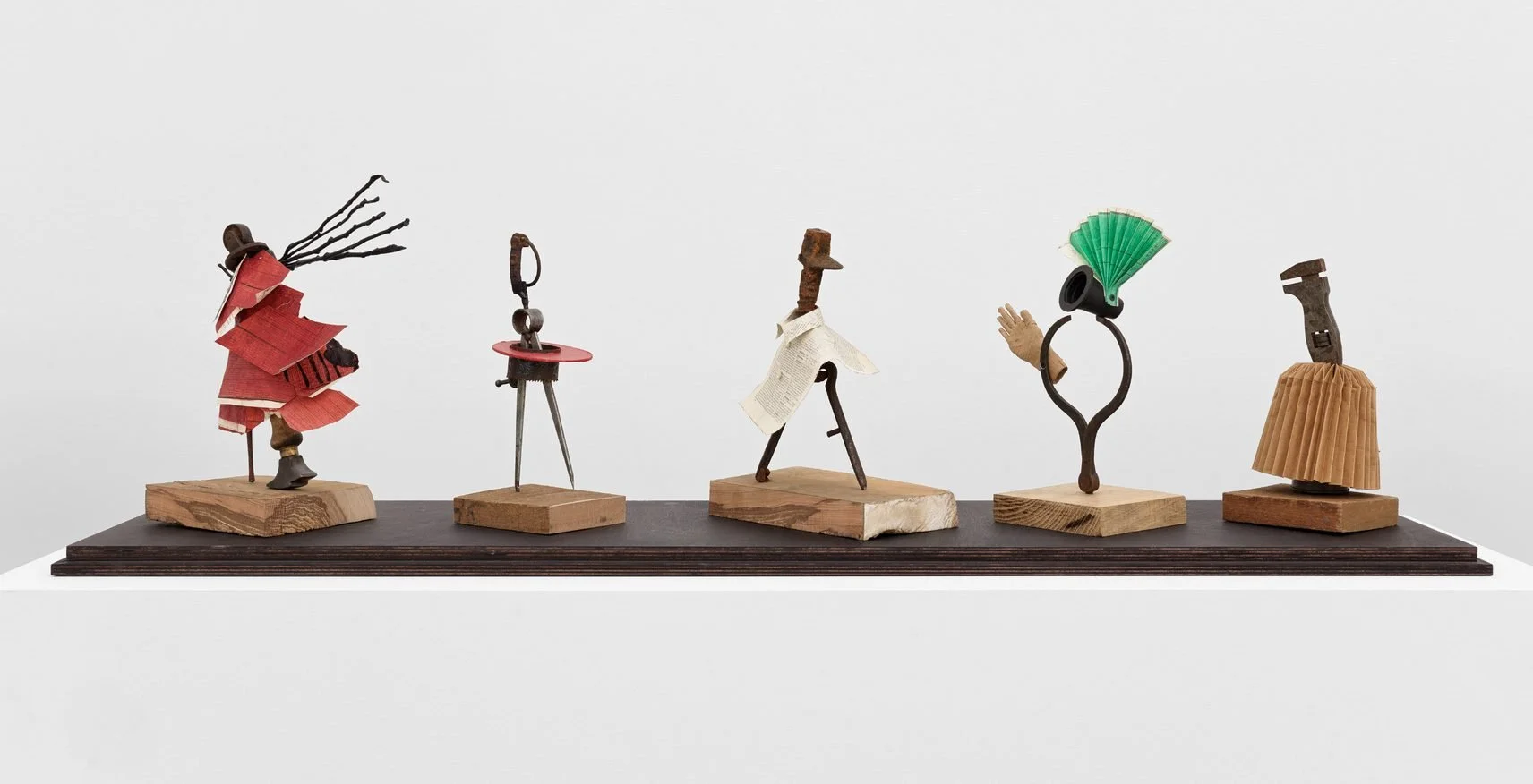
Process Before Certainty
Kentridge often begins without knowing exactly what the work will become.
Drawing, pacing, cutting, filming, and rearranging allow thought to emerge through action.
This is not the same as working randomly.
The practice is supported by:
historical knowledge;
technical experience;
visual memory;
repeated motifs;
judgment;
disciplined revision.
But the result is not decided completely in advance.
The artist constructs a process capable of surprising the artist.
This is one of the strongest connections between Kentridge and your painting-as-performance method.
Preparation develops capacity.
Execution remains responsive.
The finished work contains discovery rather than merely demonstrating prior knowledge.
Chance and the Capricious World
Kentridge is especially relevant to your recent thinking about fate, contingency, and the Greek understanding that character acts inside a world it cannot control.
His process includes intentional openness to:
accidental marks;
material resistance;
unexpected associations;
collaboration;
movement;
historical interruption;
failures of representation.
A figure may begin as one thing and become another through erasure.
A torn shape may cast an unexpected shadow.
A piece of music may alter the emotional meaning of an image.
A technical limitation may generate the final form.
The artist makes plans, but the medium responds.
This is not divine capriciousness in a literal Greek sense.
But it gives chance an active role within authorship.
The process says:
Intention enters the world and is transformed by forces it cannot fully command.
Fate and Revision
Greek tragedy often shows a person attempting to avoid a result and becoming one cause of that result.
Kentridge’s animation offers a visual parallel.
Each attempt to correct the drawing leaves another mark.
Erasure creates evidence.
Revision produces new complications.
The artist cannot simply return to the untouched beginning.
This makes the page a tragic structure.
Every action changes the conditions of the next action.
Freedom remains possible, but never from a neutral position.
Processions
Processions recur throughout Kentridge’s work.
Figures march or dance across screens carrying:
instruments;
burdens;
flags;
medical equipment;
household objects;
industrial fragments;
bodies.
A procession can signify:
protest;
migration;
funeral;
celebration;
forced removal;
military parade;
religious ritual;
refugee movement;
theatrical spectacle.
The same formal structure can hold incompatible meanings.
Movement may be voluntary or coerced.
Music may express joy or accompany catastrophe.
A crowd may represent solidarity or displacement.
More Sweetly Play the Dance
More Sweetly Play the Dance is an eight-channel projected procession combining drawing, film, dance, music, shadow, and performance. Silhouetted figures move continuously across a long sequence of screens, accompanied by a brass-band soundscape. The work has been presented as a meditation on migration, political procession, mortality, and collective movement.
The title contains a contradiction.
“Sweetly” suggests grace and pleasure.
The procession includes bodies marked by hardship, displacement, illness, labor, or death.
Dance and suffering occupy the same movement.
The work refuses to separate resilience from grief.
People carry burdens and continue moving.
Music does not cancel pain.
It gives collective form to endurance.
The Procession as History
History is often represented through important leaders, decisive events, treaties, and battles.
Kentridge’s processions offer another model.
History may be made from:
bodies walking;
objects carried;
people expelled;
workers gathering;
refugees crossing;
mourners following;
musicians accompanying.
The procession preserves plurality.
No single figure represents the entire event.
History becomes collective movement through space.
This is especially important in relation to colonial and apartheid histories, which reorganized where bodies could live, travel, work, gather, and remain.
Shadow as Image and Absence
Shadows are central to Kentridge’s visual language.
A shadow is produced by a body but lacks the body’s substance.
It can be:
evidence;
double;
absence;
distortion;
memory;
threat;
theatrical image.
Shadow projection connects his drawing practice with early cinema, puppetry, and political allegory.
A paper fragment can become a monumental figure when projected.
A small material cause produces a large visual consequence.
This relationship exposes representation as transformation.
The image is not identical to the object creating it.
Paper Figures and Provisional Bodies
Kentridge often cuts black paper into figures, machines, plants, and objects.
The forms can appear rough, fragmented, and visibly handmade.
When animated or projected, they become unexpectedly expressive.
A torn edge may become a shoulder.
A fold becomes movement.
A gap becomes a face.
The body is assembled provisionally.
It does not require anatomical completion to become emotionally legible.
This suggests that identity may arise through movement and relation rather than physical completeness.
The Nose and the Rebellion of the Part
Kentridge’s work with Shostakovich’s opera The Nose, based on Gogol’s story, centers upon a bureaucrat whose nose leaves his face and develops an independent social existence.
The premise is comic and absurd.
But it also raises serious questions:
What happens when one part of the self refuses its assigned role?
How much identity depends upon social recognition?
Can an attribute outrank the person it supposedly belongs to?
What happens when bureaucracy treats absurdity as normal?
The nose becomes a rebellious fragment.
The part escapes the whole.
This resonates with Kentridge’s broader interest in divided selves and unstable authority.
Bureaucracy and the Violence of Classification
Apartheid operated through vast systems of documentation, classification, mapping, permits, racial categories, and administrative enforcement.
Bureaucratic language can appear neutral.
Forms, stamps, lists, and files seem impersonal.
But such systems translate ideology into daily constraint.
Kentridge often uses:
printed pages;
maps;
dictionaries;
ledgers;
encyclopedias;
official-looking text.
Drawing across these surfaces allows the image to interfere with the authority of the printed document.
The page that claims to organize knowledge becomes unstable.
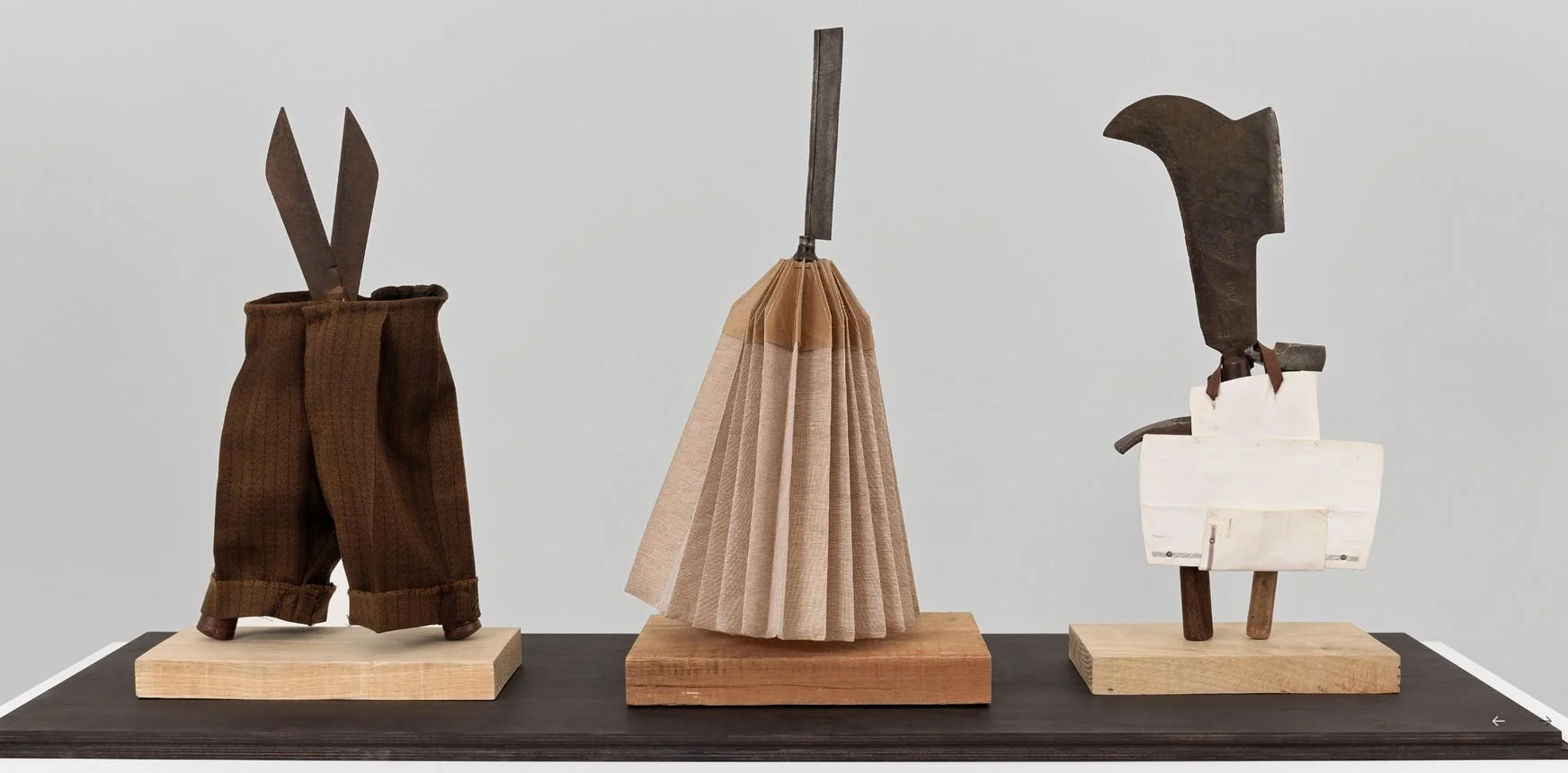
Drawing on Books
Kentridge frequently draws on old books, maps, dictionaries, and printed pages.
The existing text remains partially visible beneath or around the image.
This creates an encounter between two systems:
inherited knowledge;
new intervention.
The drawing does not erase the book completely.
The book does not control the drawing completely.
Language and image alter each other.
A printed classification may become a landscape.
A map may become a body.
A dictionary page may support a procession.
The archive becomes active material rather than unquestioned authority.
Maps and the Politics of Space
Maps claim to describe space.
But maps are constructed according to specific purposes.
They establish:
borders;
ownership;
routes;
centers;
margins;
names;
exclusions.
Colonial maps often transformed inhabited land into governable territory.
Kentridge’s use of maps reveals that spatial representation is never neutral.
A body drawn across a map may disrupt its authority.
A procession may cross boundaries the document treats as fixed.
A black silhouette may occupy the geographic system that once rendered certain lives administratively invisible.
Tapestry and Monumental History
Kentridge’s tapestries enlarge silhouetted processional figures across maps and woven surfaces.
Tapestry carries historical associations with:
wealth;
courtly power;
war;
commemoration;
decorative monumentality.
Kentridge uses this prestigious form to present figures who may appear as laborers, migrants, carriers, performers, or displaced people.
The hierarchy shifts.
Those historically treated as background become monumental.
But the figures remain silhouettes rather than individualized portraits.
This preserves both dignity and anonymity.
They stand for themselves and for histories larger than one biography.
Opera as Total Form
Kentridge has directed and designed major opera productions, integrating drawing, projection, mechanical theater, documentary fragments, language, and live music.
Opera is especially suited to his practice because it already joins:
voice;
body;
architecture;
time;
collective labor;
music;
narrative;
spectacle.
No single medium dominates completely.
The work depends upon coordination among many participants.
This challenges the mythology of solitary authorship.
Kentridge remains a strong directorial presence, but the production becomes possible only through collaboration.
Collaboration and the Limits of Control
Kentridge’s work involves performers, musicians, composers, designers, technicians, dancers, printers, fabricators, and researchers.
Collaboration introduces forms of intelligence beyond the artist’s individual plan.
A musician interprets.
A performer moves differently than expected.
A technical system imposes limits.
A collaborator introduces another history.
This makes collaboration both productive and difficult.
The work must remain coherent without reducing every participant to an instrument of one authorial will.
Kentridge’s long-term collaborative practice and Centre for the Less Good Idea emphasize improvisation and discovery across disciplines. (The Guardian)
The Head & the Load
The Head & the Load addresses the largely neglected history of African porters and carriers used by European powers during the First World War.
The title comes from the Ghanaian proverb:
The head and the load are the troubles of the neck.
The work combines projection, procession, music, dance, text, shadow, and performance to make visible people whose labor was essential but frequently excluded from dominant historical accounts.
The work does not reconstruct one conventional heroic narrative.
It presents history as fragmented, multilingual, rhythmically unstable, and resistant to complete recovery.
The formal complexity reflects the historical problem.
A suppressed history cannot simply be restored as though the archive were intact.
Making Absence Present
Kentridge frequently works with histories defined partly by missing evidence.
The challenge is not simply to represent what happened.
It is to represent the fact that much cannot be recovered fully.
Absence becomes active through:
blank paper;
incomplete bodies;
erased marks;
interrupted text;
unnamed silhouettes;
fragmented testimony.
This prevents the artist from pretending to speak completely for those who were silenced.
The work acknowledges the limit while refusing total disappearance.
Monument Against Certainty
Traditional monuments often claim permanence and authority.
They present:
one figure;
one event;
one interpretation;
durable material;
elevated position.
Kentridge’s monuments are often moving, temporary, fragmentary, or mechanically unstable.
A procession passes.
A shadow disappears when the projector stops.
A charcoal image remains vulnerable to touch.
A paper figure bends.
This offers another model of commemoration:
Memory can remain powerful without pretending to become permanent or complete.
Sculpture and the Moving Silhouette
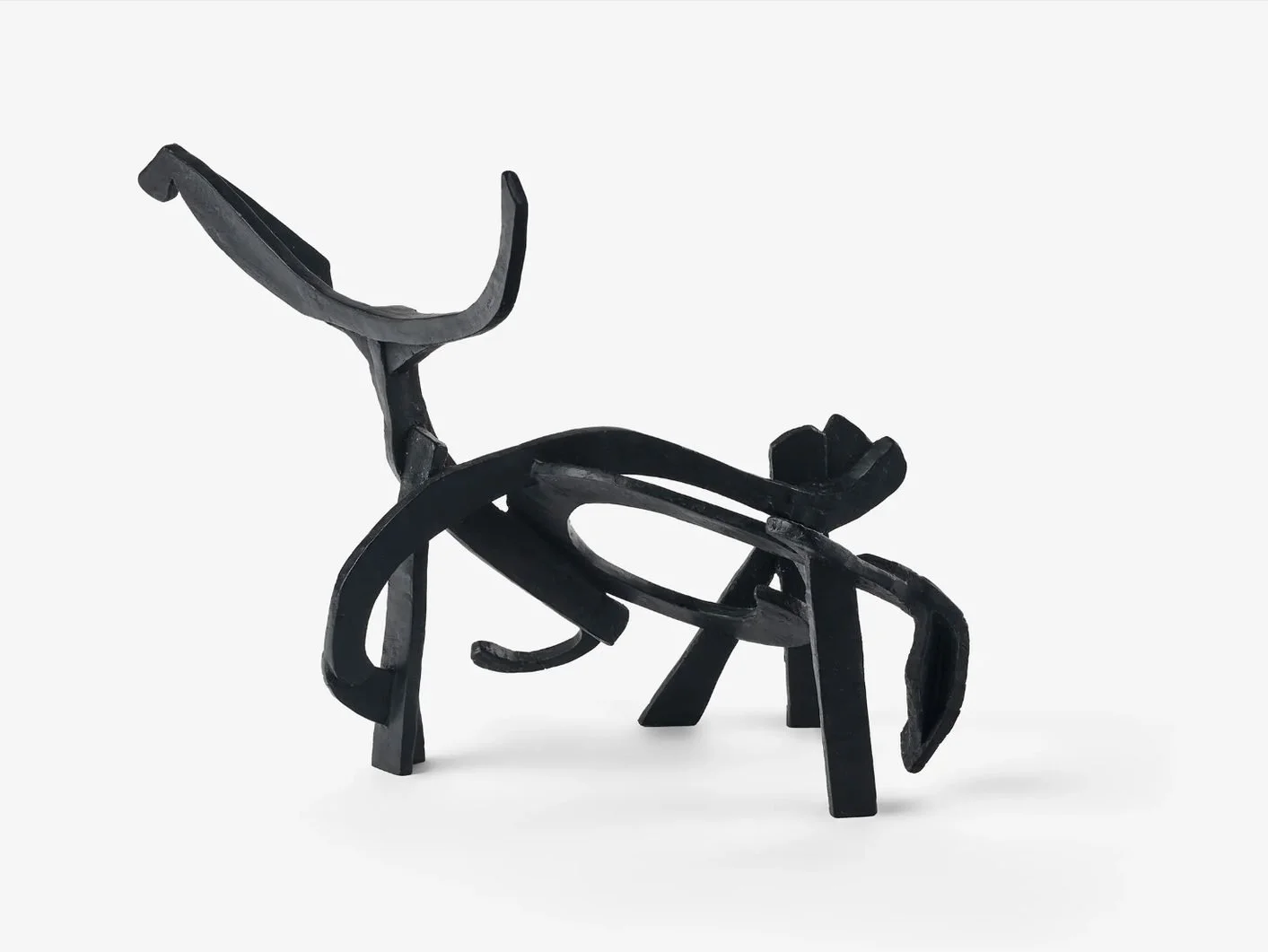
Kentridge’s sculptural practice often begins with flat cut forms that change according to viewpoint.
From one direction, separate fragments may look incoherent.
From another, they align into a recognizable figure.
This makes recognition dependent upon position.
The object does not carry one stable image equally from every angle.
The viewer must find a temporary alignment.
This is a powerful model for historical interpretation.
Fragments may form a provisional image from one perspective and dissolve from another.
The Pull of Gravity
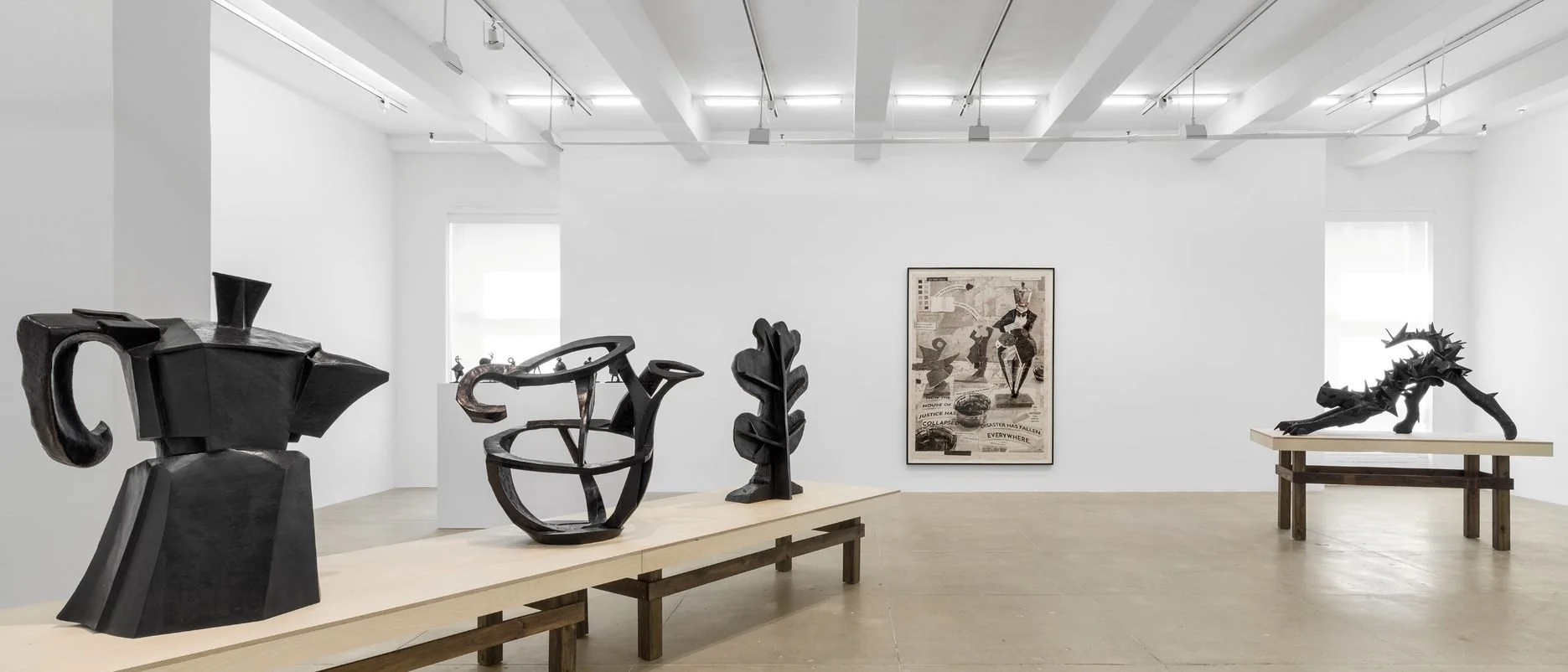
The 2025–26 exhibition The Pull of Gravity at Yorkshire Sculpture Park was the first museum presentation outside South Africa devoted specifically to Kentridge’s sculpture. It brought together more than forty works made between 2007 and 2024, including indoor and outdoor pieces. (Yorkshire Sculpture Park)
The title points toward several kinds of gravity:
physical weight;
historical burden;
moral seriousness;
bodily vulnerability;
the pull of the ground.
Kentridge’s sculptures often appear playful or provisional, yet they remain connected to histories whose weight cannot be escaped.
The work moves between lightness and burden.
A paper-like form becomes bronze.
A comic silhouette becomes monument.
Weight and Lightness
Kentridge repeatedly places serious historical material beside visual play.
This is not an attempt to make injustice entertaining.
It reflects a belief that political art cannot survive through solemnity alone.
Humor can:
expose authority;
interrupt certainty;
create distance;
preserve human complexity;
prevent moral language from becoming rigid.
But humor also carries risk.
It must not trivialize suffering.
Kentridge’s strongest works keep humor and grief active simultaneously.
Music and Collective Memory
Music plays a major role throughout Kentridge’s films, installations, operas, and processions.
Music can carry:
ritual;
protest;
labor;
mourning;
celebration;
military force;
communal identity.
Unlike an image, music surrounds the viewer through time.
It can unify a procession without making every participant identical.
It can make collective movement feel joyful and threatening at once.
Music allows contradiction to become bodily.
The Coffee Pot as Self-Portrait
The coffee pot recurs in Kentridge’s recent studio films and drawings as an indirect self-portrait.
This is characteristic of his approach.
A self-portrait does not need to reveal the face.
An ordinary object may carry:
routine;
habit;
studio life;
shape;
comic resemblance;
domesticity;
memory.
The title Self-Portrait as a Coffee-Pot destabilizes the expectation that selfhood belongs inside bodily likeness.
The artist may be represented through the objects, gestures, rituals, contradictions, and processes surrounding him.
Self-Portrait as Process
Kentridge’s deepest self-portrait may not be any particular image.
It may be the process itself:
draw;
inspect;
doubt;
erase;
revise;
perform;
argue;
begin again.
The self appears as an evolving set of actions.
This connects closely to Roni Horn’s relational identity, but Kentridge emphasizes revision and historical residue.
The self changes, yet the marks of previous selves remain.
The Central Contradiction
The deepest contradiction in Kentridge’s practice is:
He uses highly personal, handmade, provisional methods to confront historical systems of enormous collective violence and political complexity.
The work is:
political and uncertain;
personal and historical;
humorous and mournful;
handmade and monumental;
theatrical and materially exposed;
collaborative and strongly authored;
fragmentary and emotionally coherent;
provisional and authoritative.
Kentridge does not solve these contradictions.
He makes them productive.
Too much certainty would falsify history.
Too much ambiguity would weaken responsibility.
The work must remain open while still taking a position.
The Viewer’s Position
Kentridge positions the viewer as:
witness;
reader;
spectator;
interpreter;
implicated historical subject;
observer of the artist’s uncertainty.
The viewer is not given complete information.
Images disappear.
Text fragments interrupt.
Characters transform.
Historical reference may remain partially unexplained.
But the viewer is not abandoned.
Rhythm, gesture, sound, repetition, and emotional structure create orientation.
The work asks the viewer to tolerate incomplete understanding without withdrawing from responsibility.
How the Medium Thinks
Each medium contributes differently to Kentridge’s inquiry.
Charcoal
Charcoal carries immediacy, darkness, erasure, dust, and historical residue.
Animation
Animation makes revision, transformation, and temporal accumulation visible.
Theater
Theater introduces embodiment, collaboration, rehearsal, accident, and collective presence.
Opera
Opera joins history, image, language, architecture, music, and spectacle.
Shadow
Shadow creates presence through absence and turns small objects into unstable monuments.
Printmaking
Printmaking introduces reversal, pressure, repetition, edition, and transformation across states.
Sculpture
Sculpture makes fragmented images depend on bodily position and physical gravity.
Books and maps
Printed materials bring inherited knowledge, classification, bureaucracy, and political authority into the image.
The practice remains coherent because every medium allows history to appear as something made and remade.
What the Practice Has Discovered
Across drawing, film, theater, opera, sculpture, and performance, Kentridge’s practice appears to have produced several major discoveries.
1. Erasure can become historical evidence
What is removed continues shaping what remains.
2. Revision can become the subject
The work need not conceal its uncertainty, corrections, or changing intentions.
3. Political history can inhabit divided characters
Complicity, guilt, desire, authority, and vulnerability can coexist inside one person.
4. Fragmentation can resist false certainty
An incomplete form may represent damaged history more truthfully than a seamless narrative.
5. Humor can deepen political seriousness
Absurdity can expose irrational power and prevent moral inquiry from becoming rigid.
6. Process can generate thought
Drawing, pacing, performance, and material action can produce ideas that were not available beforehand.
7. Collaboration can expand authorship
Music, movement, language, and technical production can transform the work beyond one medium or individual.
8. The provisional can become monumental
Paper, charcoal, shadows, and rough silhouettes can carry historical weight without imitating permanence.
The Artistic Capacity
Kentridge has developed the capacity to make artistic revision carry political, psychological, and historical meaning.
He can make:
an erased mark become memory;
a moving line become historical time;
a comic object become a self-portrait;
a procession become migration, protest, funeral, and dance simultaneously;
an incomplete body carry collective history;
the artist’s uncertainty become ethical seriousness;
modest studio materials become monumental theater;
contradictory selves inhabit one continuing character.
His work depends on the ability to remain open without becoming vague.
Every provisional mark must still carry pressure.
The World Kentridge Has Built
Kentridge’s artistic world includes recurring:
Johannesburg;
mines;
maps;
desks;
megaphones;
coffee pots;
typewriters;
processions;
shadows;
torn paper;
books;
industrial machinery;
recurring characters;
musical performance;
visible erasure.
These elements form a coherent world because they repeatedly ask:
Who writes history?
What remains after erasure?
How does political violence enter private life?
Can revision repair damage?
What responsibility belongs to the witness?
How does one act without certainty?
What happens when several contradictory selves claim the same body?
Is the Language Still Learning?
Kentridge’s visual language is highly recognizable.
Charcoal animation, processions, silhouetted figures, paper cutouts, studio performance, maps, megaphones, and historical collage can now appear immediately identifiable as his.
This creates a real danger.
The visible signs of inquiry can become a theatrical brand.
A charcoal procession may appear profound before its historical necessity has been established.
A projected shadow may generate atmosphere without producing discovery.
A monumental production may overwhelm the uncertainty that made the earlier work powerful.
The critical question is:
Does each new work uncover another contradiction within history, process, or authorship, or does it repeat the established spectacle of revision?
Recent projects suggest continued development through sculpture, self-portraiture, studio philosophy, and expanded collaborative forms. Major 2025–26 exhibitions included Listen to the Echo, The Pull of Gravity, A Natural History of the Studio, and The Battle Between YES and NO. (Hauser & Wirth)
The language remains alive when the method encounters a new pressure rather than merely reproducing familiar imagery.
Risks and Limits
Kentridge’s practice faces several demanding risks.
Ambiguity becoming moral shelter
Uncertainty can preserve complexity, but it can also protect the artist from taking a sufficiently clear position.
Personal guilt dominating collective history
The artist’s self-examination may become more visible than the people and systems being examined.
Theatrical beauty aestheticizing suffering
Music, projection, movement, and spectacle can make violent history visually compelling.
Repetition becoming signature
Charcoal erasure and processional imagery may lose necessity when their effects are already familiar.
Collaboration remaining unequal
A collaborative production may still concentrate authorship, visibility, and institutional authority around one artist.
Historical fragments becoming symbolic atmosphere
Maps, documents, silhouettes, and archival language must retain specific historical pressure rather than functioning as generalized signs of political seriousness.
These risks do not undermine the practice.
They establish the standard each new work must meet.
What the Work Expands
Kentridge expands what drawing can do.
Drawing can become:
film;
history;
performance;
self-argument;
archive;
moving theater.
He expands what political art can be.
Political art can acknowledge uncertainty without surrendering responsibility.
He expands what self-portraiture can contain.
A self-portrait can include contradictory roles, objects, habits, guilt, performance, and revision.
He expands what historical memory can look like.
Memory does not need to become a polished reconstruction.
It can remain marked by erasure, absence, disagreement, and incomplete recovery.
Most importantly, he expands what artistic process can mean.
Process is not merely how the final work is produced.
Process can become the work’s deepest form of thought.
What Artists Can Learn
The lesson is not to imitate charcoal animation, silhouetted processions, paper figures, maps, or theatrical projection.
The deeper lesson is to let process embody the inquiry.
If the work concerns memory, the material might need to retain traces.
If it concerns contradiction, the image might need to hold incompatible states.
If it concerns history, revision should not cleanly remove the past.
If it concerns contingency, the process should allow the work to redirect the artist.
Kentridge also offers an important model for your developing painting method.
A painting can begin with intention while remaining open to:
erasure;
accident;
repetition;
material interference;
contradictory interpretations;
discoveries that revise the original plan.
The artist’s responsibility is not to control every outcome.
It is to create a process in which uncertainty becomes meaningful rather than arbitrary.
His work also deepens your inquiry into character and fate.
A character does not act from a blank present.
The character carries traces of earlier selves, inherited histories, erased possibilities, social systems, and consequences of prior actions.
Every revision changes what can happen next.
Kentridge’s achievement is to make art behave like historical consciousness: continually drawing, erasing, remembering, denying, revising, and discovering that no correction can completely remove the marks of what came before.